
The allure of immersive environments
Casino design plays a pivotal role in shaping player behavior, as it creates an immersive environment where the thrill of gambling comes alive. The sensory experience is meticulously crafted to stimulate engagement, drawing players into a captivating world. Bright lights, vibrant colors, and lively sounds combine to form an atmosphere that heightens excitement, encouraging individuals to spend more time and money on payid pokies and other games. This design is not mere decoration; it is a carefully orchestrated psychological strategy to keep players entranced and engaged.
The architecture and layout of casinos are also significant in influencing player behavior. Space is often designed to feel expansive yet cozy, providing a welcoming yet intense environment. Specific design features, such as curved pathways and strategically placed high-energy gaming areas, guide players through the venue, making them feel like they are part of a unique experience. This flow creates a sense of adventure and exploration, further motivating players to engage with the games and, ultimately, to gamble more.
Additionally, the soundtrack and sound design in a casino are equally critical, as they elevate the overall experience. From the clinking of coins to the celebratory sounds of jackpots, these auditory cues trigger emotional responses that reinforce positive experiences. Research indicates that players are more likely to return to an environment that evokes a sense of joy and excitement. Thus, sound plays a vital role in conditioning players to associate the casino with pleasure, reinforcing their desire to return and engage in gaming activities.
The role of rewards and incentives
The psychology of rewards significantly impacts player behavior in casinos. Gamblers are often motivated by the potential for financial gain, but the structure of rewards extends beyond just winning money. Casinos employ various incentive programs, such as loyalty points and bonuses, to encourage consistent play. This system creates a psychological commitment, as players are more likely to return if they feel they are working toward a reward. The anticipation of earning benefits adds an extra layer of excitement to the gaming experience.
In addition to monetary rewards, the social aspect of gaming contributes to player engagement. Many casinos host events and competitions that foster community among players. These social interactions can enhance the overall enjoyment of the gambling experience, making players more likely to continue returning to the casino. The thrill of winning is often amplified by celebrating victories with friends or fellow players, reinforcing the idea that gambling is as much about social connection as it is about individual success.
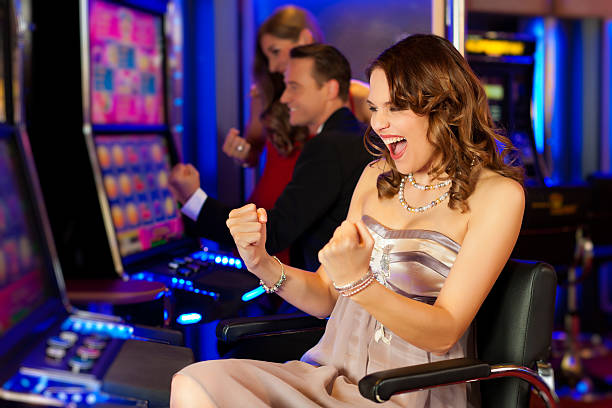
Moreover, the unpredictability of rewards contributes to player behavior. The concept of variable ratio reinforcement, where rewards are distributed unpredictably, keeps players engaged for longer. This means that even if a player has a few losses, the possibility of hitting a big win at any moment keeps them hopeful and invested. Understanding this psychological principle helps casinos optimize their gaming machines and tables to maximize player retention and their overall experience.
The impact of visual elements
Visual design elements within a casino are crucial in influencing player emotions and behaviors. From bright and bold colors used in signage to the luxurious textures and finishes of the gaming tables, every aspect is engineered to attract and maintain attention. Color psychology plays a vital role; for example, warm tones can evoke feelings of warmth and excitement, while cooler tones may create a more relaxed atmosphere. This intentional use of color enhances emotional responses, allowing players to feel more comfortable and engaged within the environment.
The strategic placement of games and machines is another vital aspect of visual design. High-stakes games are often located in more visually opulent areas to attract serious gamblers, while low-stakes games are positioned in more casual and inviting environments. This zoning influences where players choose to spend their time and money. The design of game machines, with their flashy graphics and interactive features, is also intended to stimulate interest and engagement, making it more challenging for players to resist the urge to play.
Furthermore, the overall aesthetic of the casino, including furniture and decor, contributes to creating a luxurious experience. Opulent chandeliers, elegant carpeting, and themed decorations all work together to enhance the perception of a lavish environment. Players are often attracted to spaces that convey exclusivity and luxury, believing that they too are part of an elite experience. This mental framing encourages them to indulge in the experience and increases their willingness to invest both time and money.
The psychology of time perception
One fascinating psychological concept relevant to casino design is time perception. In a casino environment, time can distort significantly for players; they often lose track of how long they have been gambling due to the lack of clocks and windows. By creating an environment devoid of natural time cues, casinos encourage players to immerse themselves in the experience without awareness of the passing hours. This can lead to prolonged gaming sessions and increased spending as players become deeply engrossed in their activities.
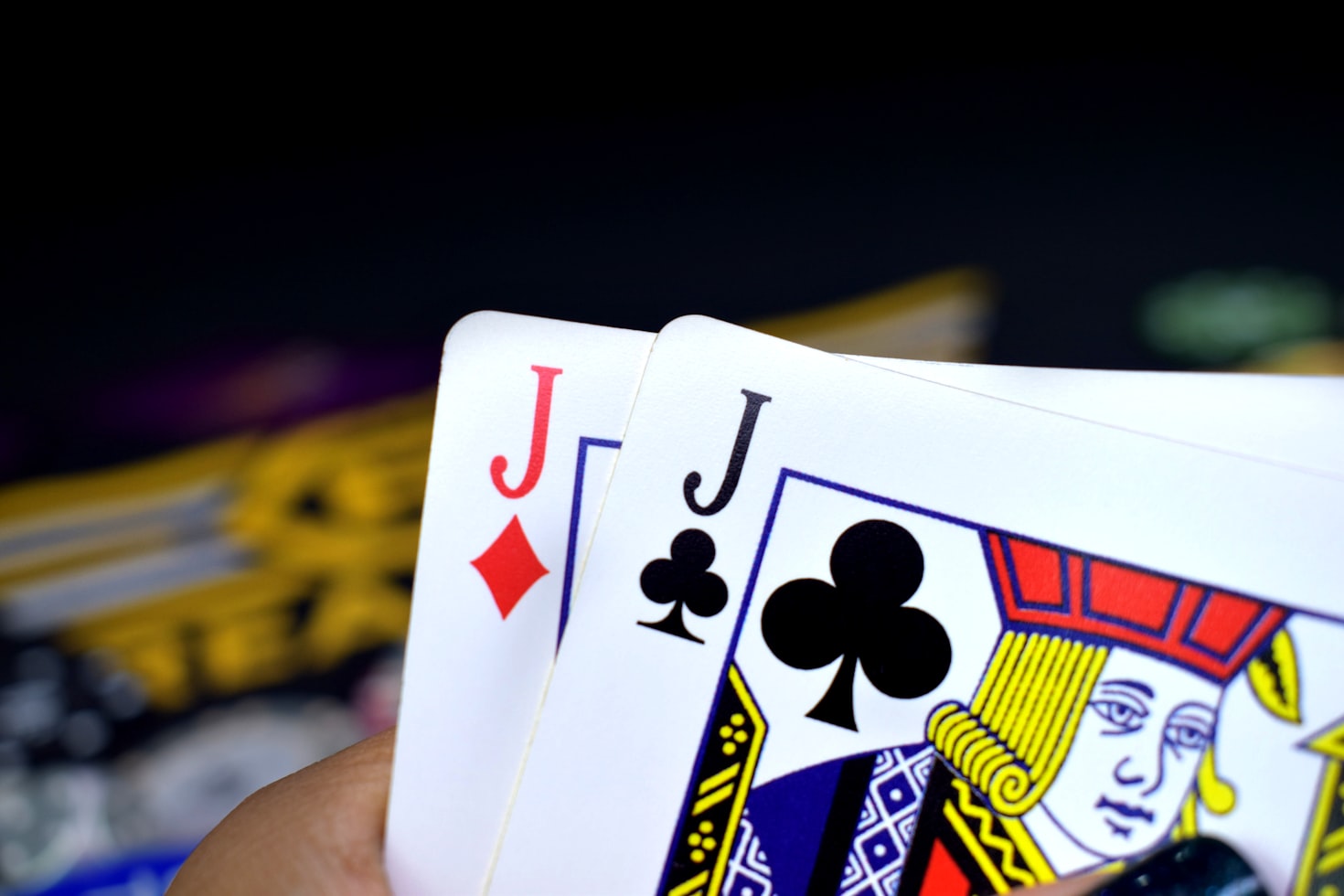
Additionally, the design of seating areas and the layout of gaming tables are purposely arranged to promote longer stays. Comfortable seating encourages players to settle in for longer periods, while open spaces invite more exploration and movement. The combination of these elements results in an environment where players feel reluctant to leave, often compelling them to stay and continue wagering without realizing how much time has elapsed.
The psychological effects of time distortion can also influence player behavior in relation to risk tolerance. When players are absorbed in their gaming experience, they may be more inclined to make riskier bets, believing that they have more time to recover any losses. This behavior can lead to increased wagering amounts, as the thrill of the game overshadows traditional considerations of caution and risk management.
Understanding player behavior through analytics
In the digital age, casinos have begun to leverage analytics to gain deeper insights into player behavior. By monitoring gaming patterns, time spent at specific machines, and even how players respond to different games, casinos can tailor their environments to meet the desires and preferences of their clientele. This data-driven approach allows casinos to refine their strategies and maximize player engagement and satisfaction.
Advanced tracking technologies enable casinos to create personalized experiences for their patrons. For instance, if a player frequently enjoys a particular slot game, the casino can provide tailored offers or bonuses related to that game. This not only enhances player loyalty but also increases the likelihood of repeat visits. Ultimately, understanding player behavior through analytics helps casinos adapt and innovate, ensuring that they meet evolving player expectations.
Moreover, casinos can analyze player feedback and preferences to consistently improve the overall gaming experience. By assessing customer satisfaction and identifying pain points, venues can implement changes that enhance player enjoyment. This responsiveness to player behavior serves to foster loyalty and create a welcoming atmosphere that encourages both new and returning players to engage with the gaming environment.